Supervisor’s Newsletter
July 2026 Edition

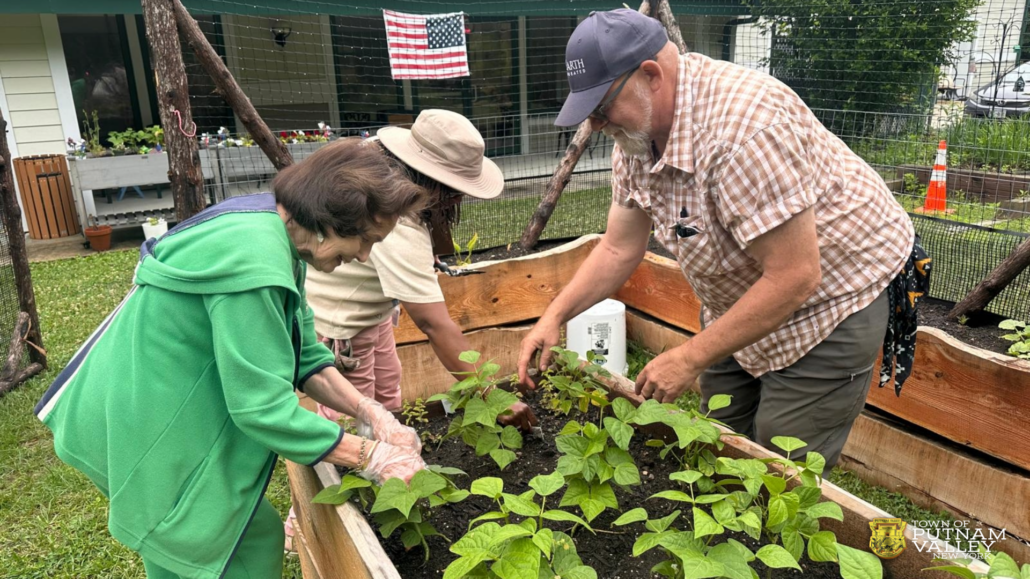
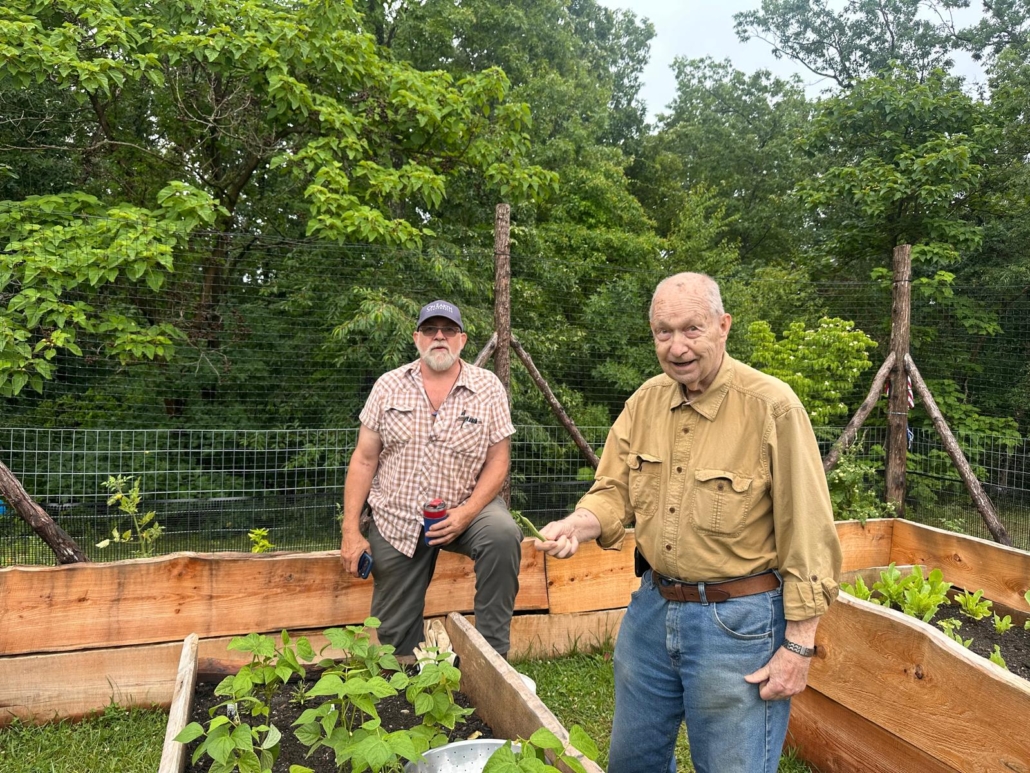
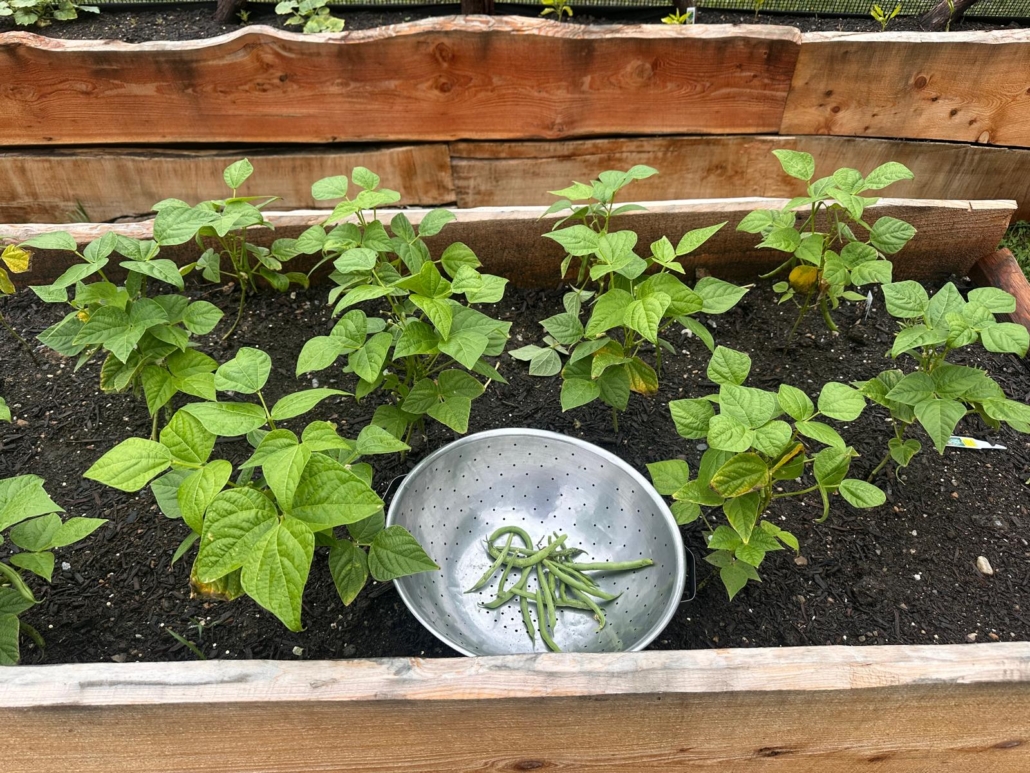
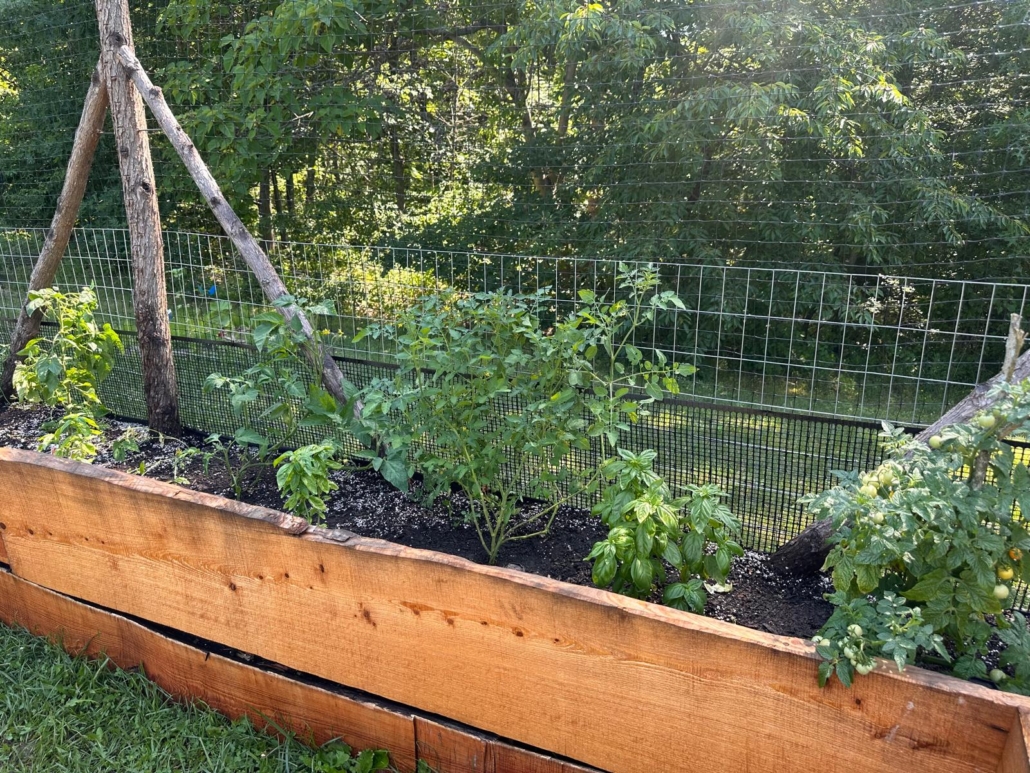
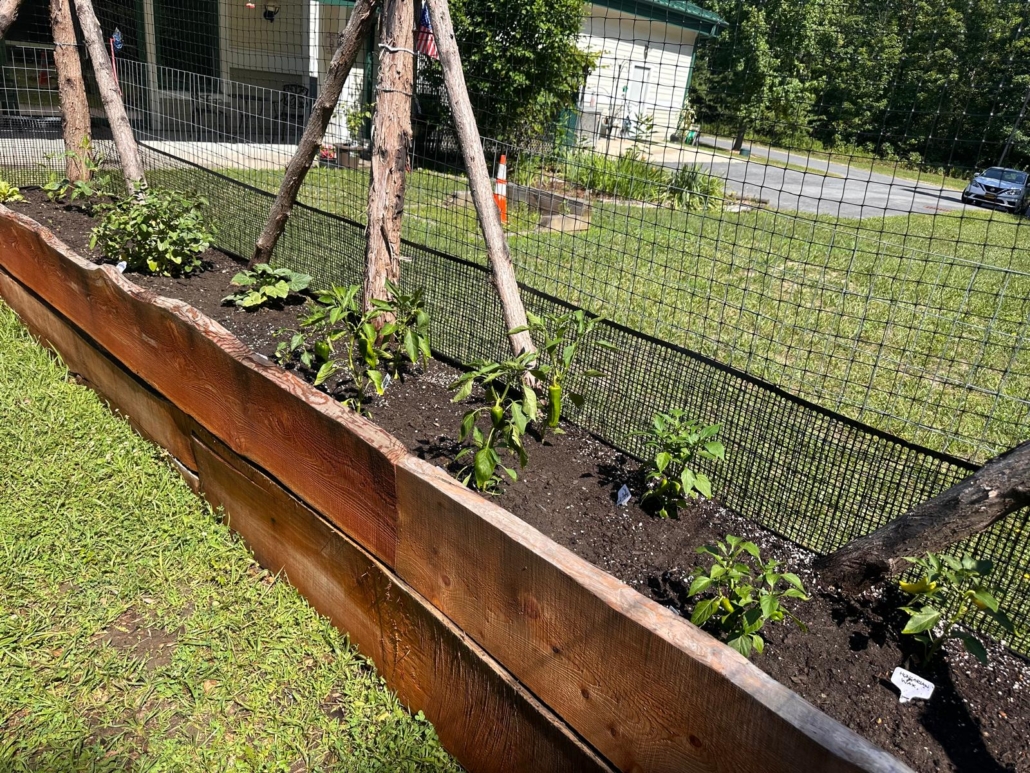
Last fall, long-time Putnam Valley resident, Steven Knapp reached out to share a vision: creating a vegetable garden at the Senior Center where residents could grow fresh food, spend time outdoors, and connect with one another. It was a vision I immediately embraced because I believe that a resilient community begins with access to healthy, locally grown food, and with creating spaces that bring people together.
Steven brings a lifetime of knowledge to this work. With degrees in Urban Forestry, Arboriculture, and Park Management from the University of Massachusetts, along with certification as a Vocational Horticulture, Forestry, and Plant Science teacher, he has spent decades teaching organic gardening, farming, and ecological stewardship. His philosophy, “The Earth is in all of our hands,” is reflected in every project he undertakes.
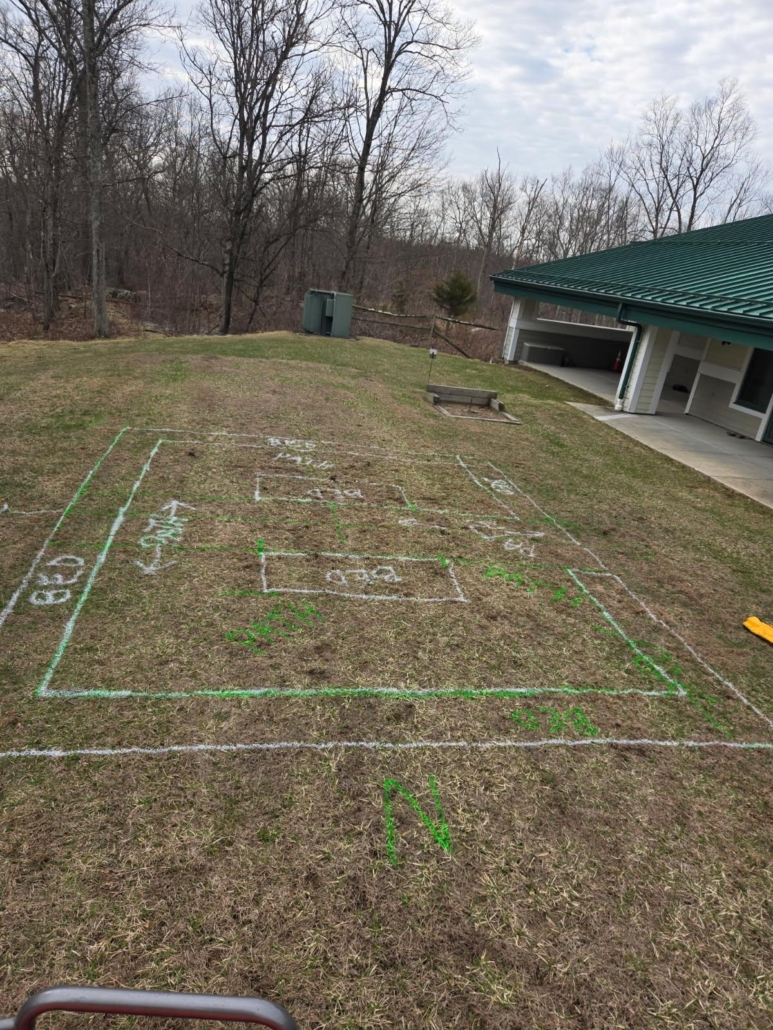
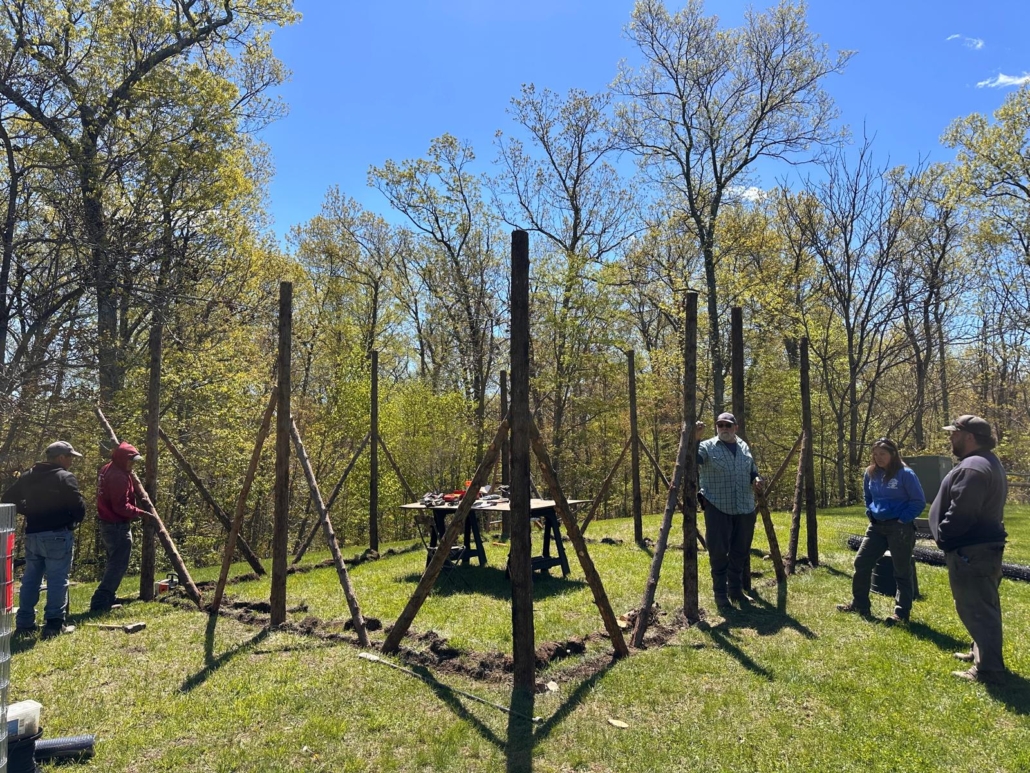
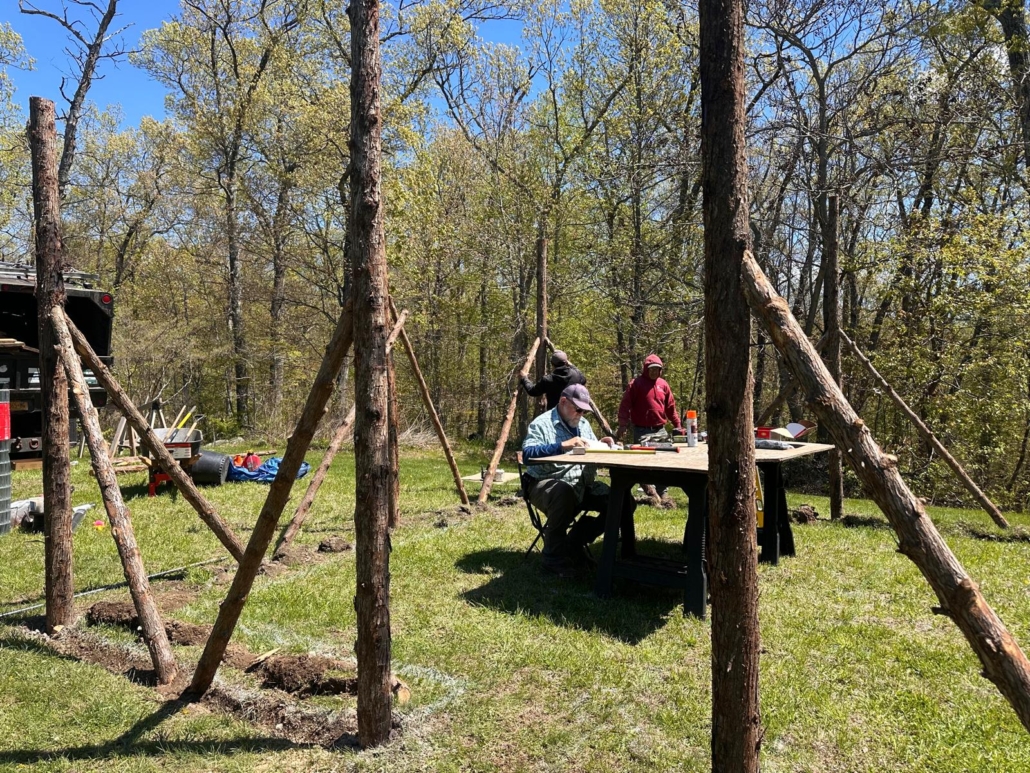
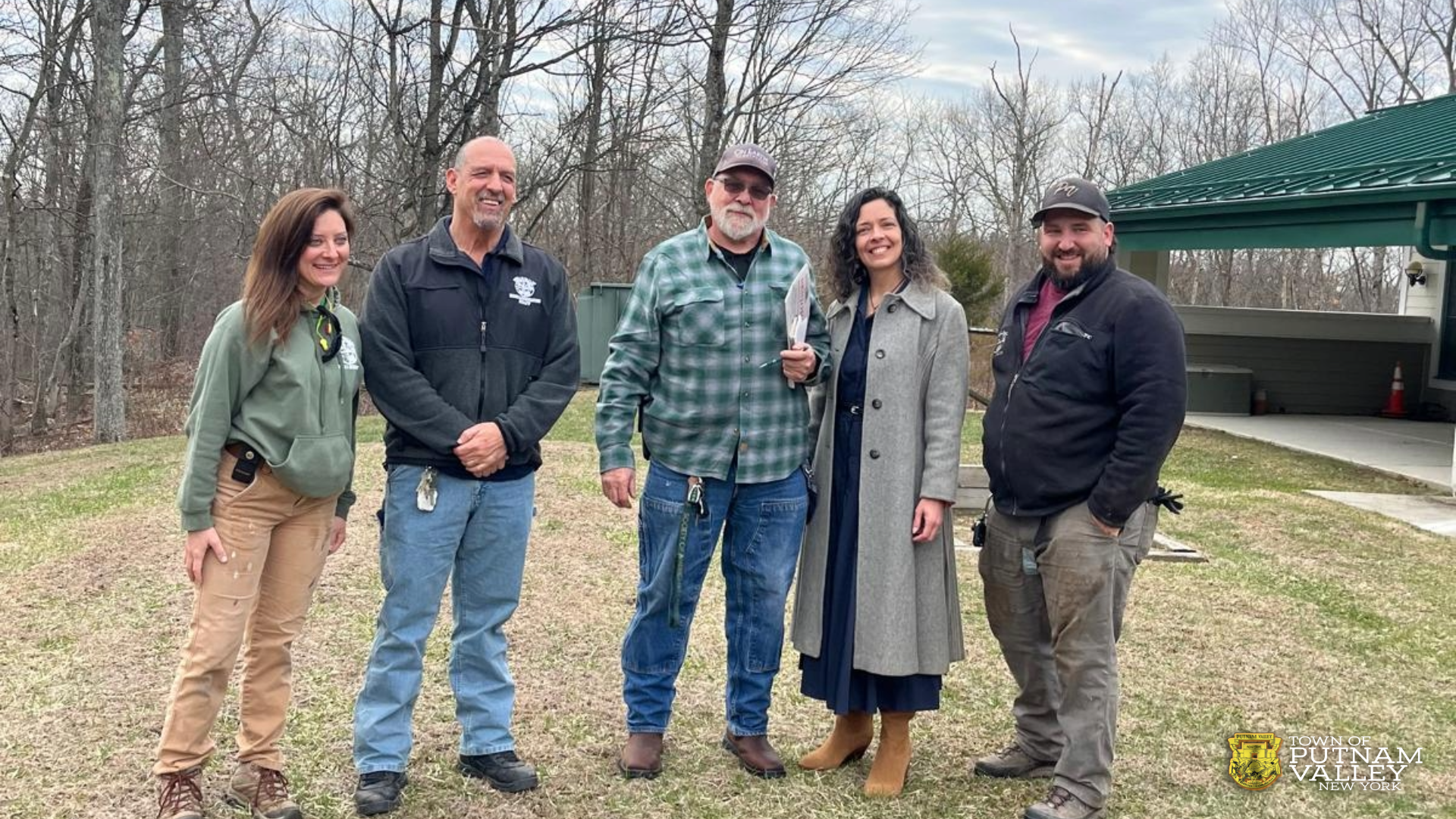
After I took office, Steven reached out again, and we quickly got to work. I connected with our Parks & Recreation Department, and together with Frank, Craig, Kristine, Steven, and the Director of the Senior Center, we developed a plan. Once we received approval from Putnam County, construction began.
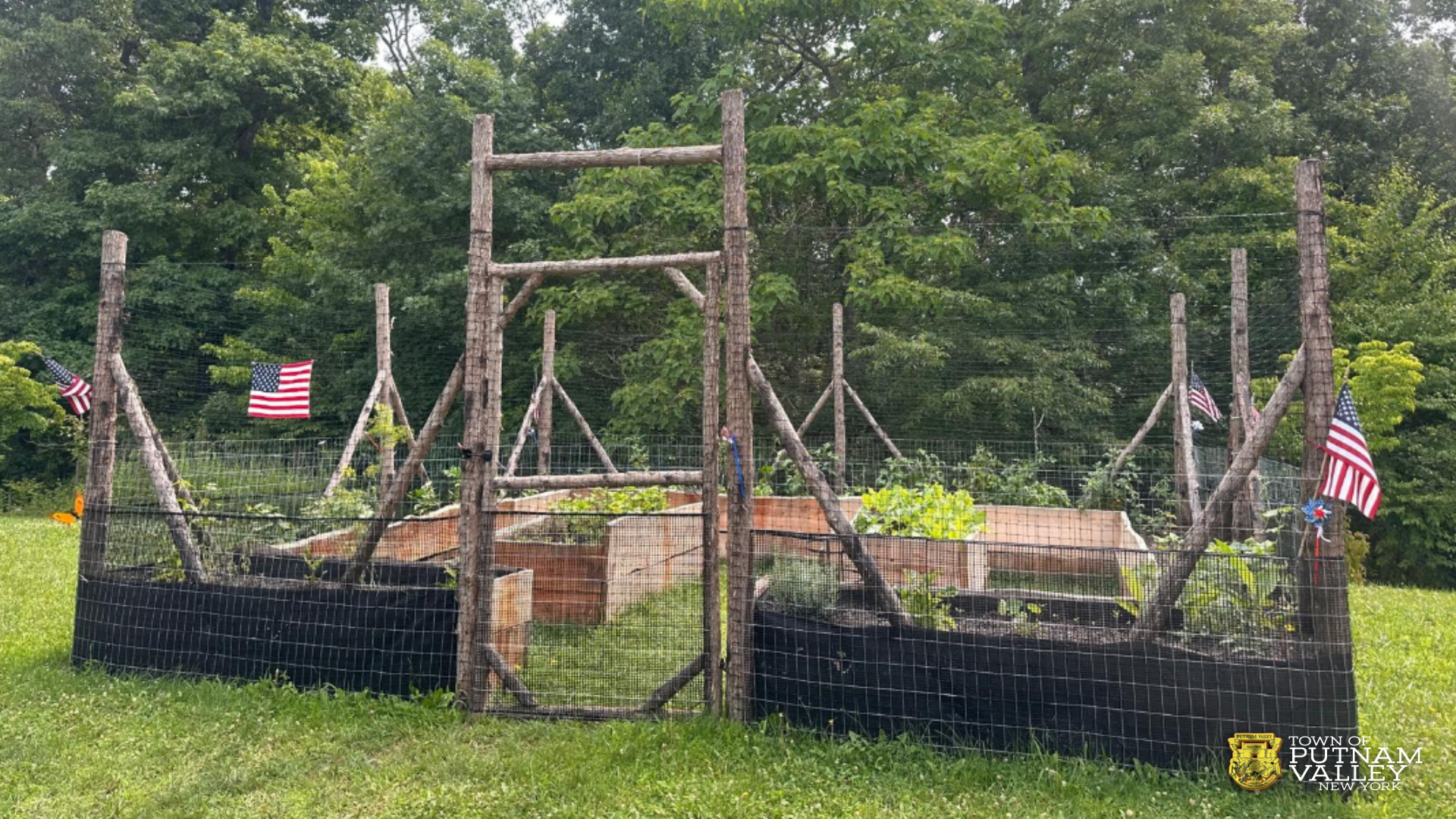
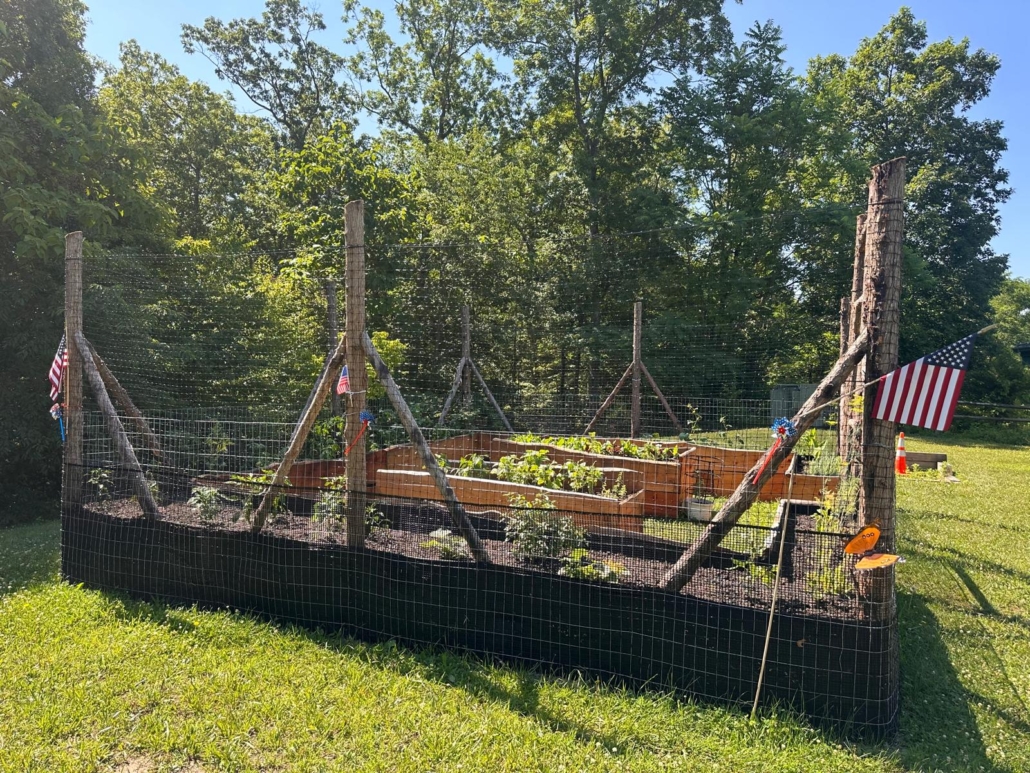
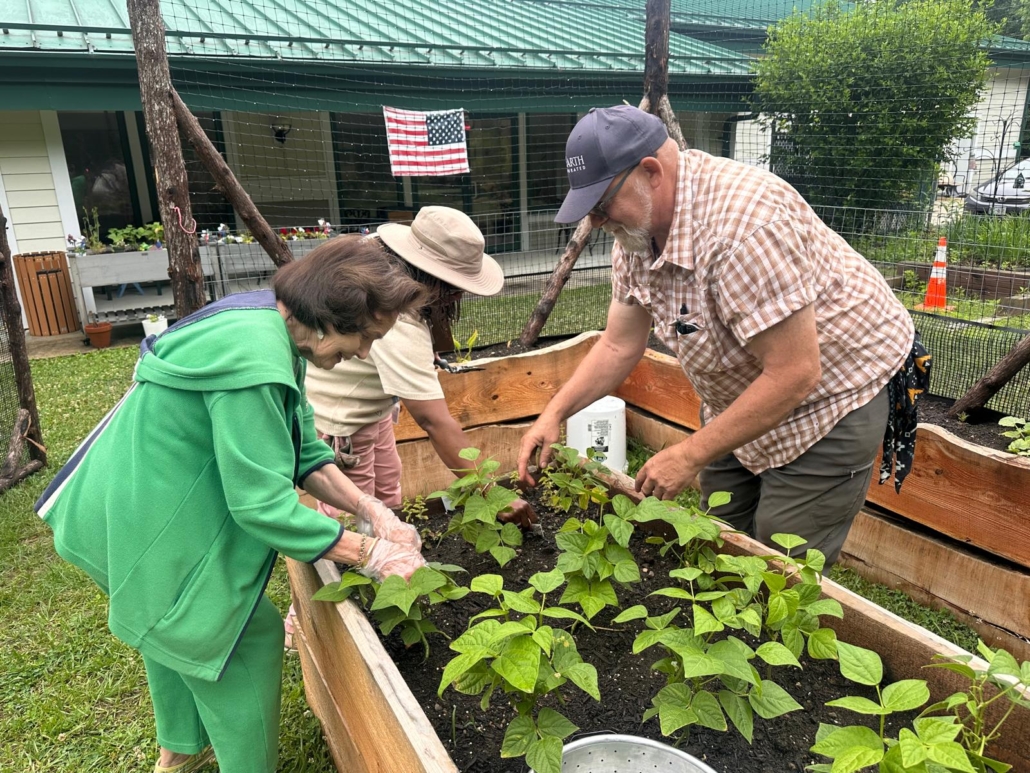
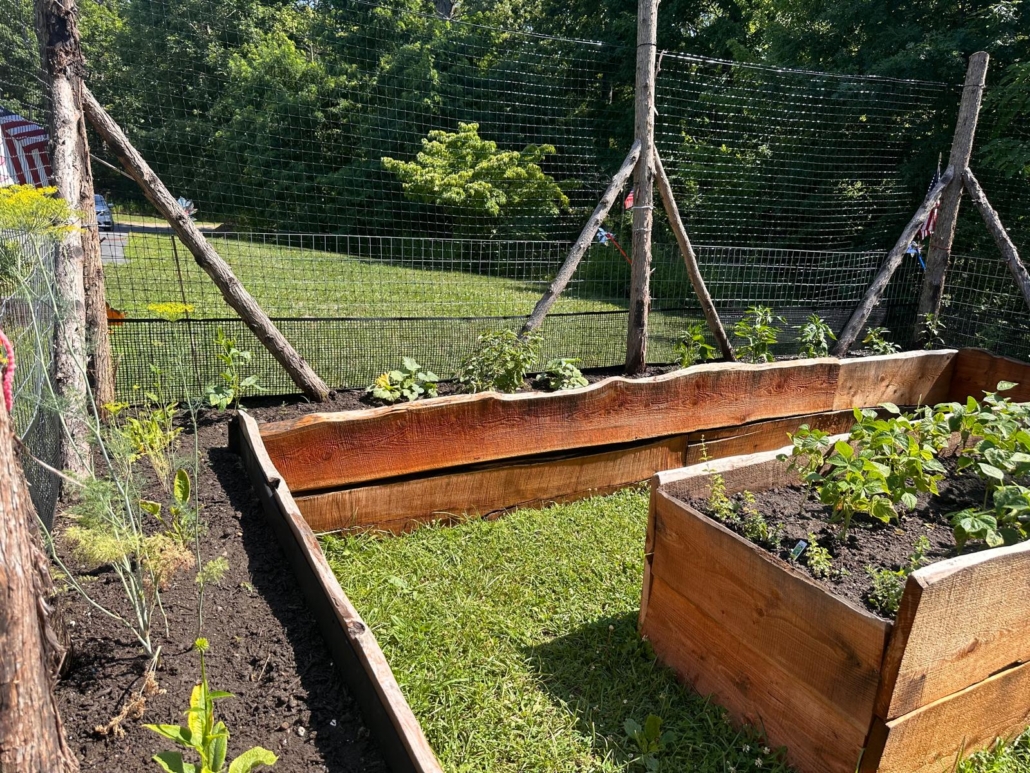
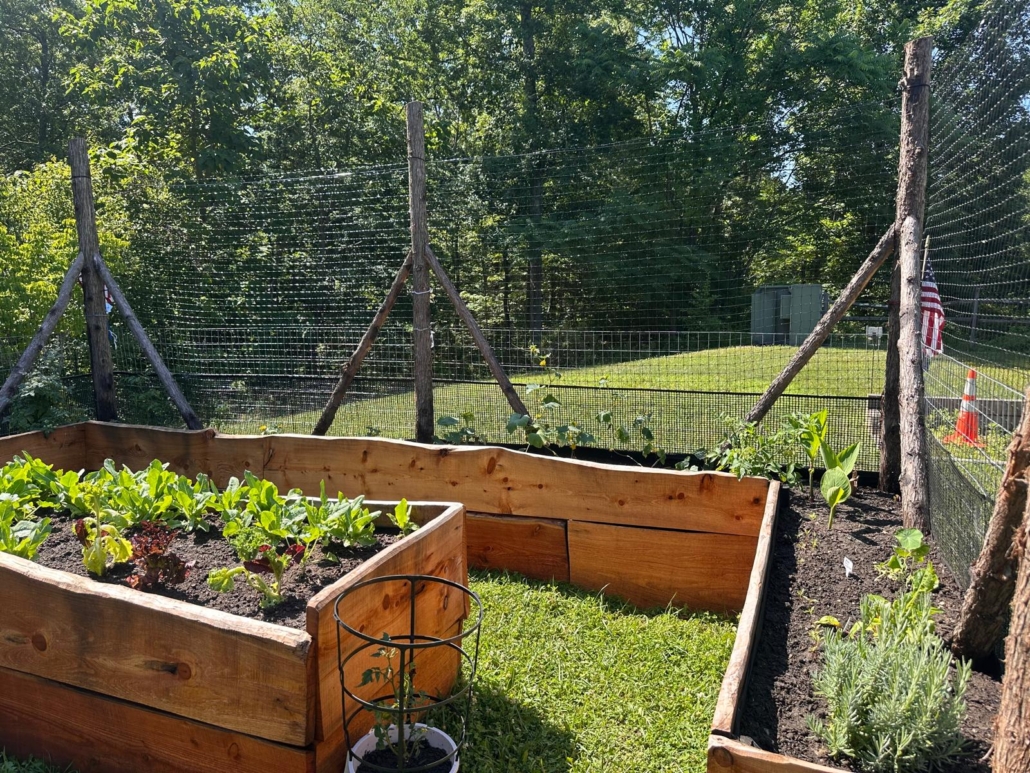
The garden was thoughtfully designed with our seniors in mind. Steven handcrafted raised beds that stand 20 inches high to reduce bending and improve accessibility. He milled the lumber himself using rot-resistant black locust and Atlantic white cedar from his portable sawmill, and the pathways were built wide enough to accommodate wheelchairs and walkers.
As Steven shared:
“I made this garden so the Seniors could enjoy it, believing that they paid their dues in our society. Having had a Granny, Grandfather, and Father who served during World War II and the Vietnam War, and a mother who is retired and enjoys the Senior Center, I am truly happy to have been able to create one of my custom gardens for the people who worked so hard.”
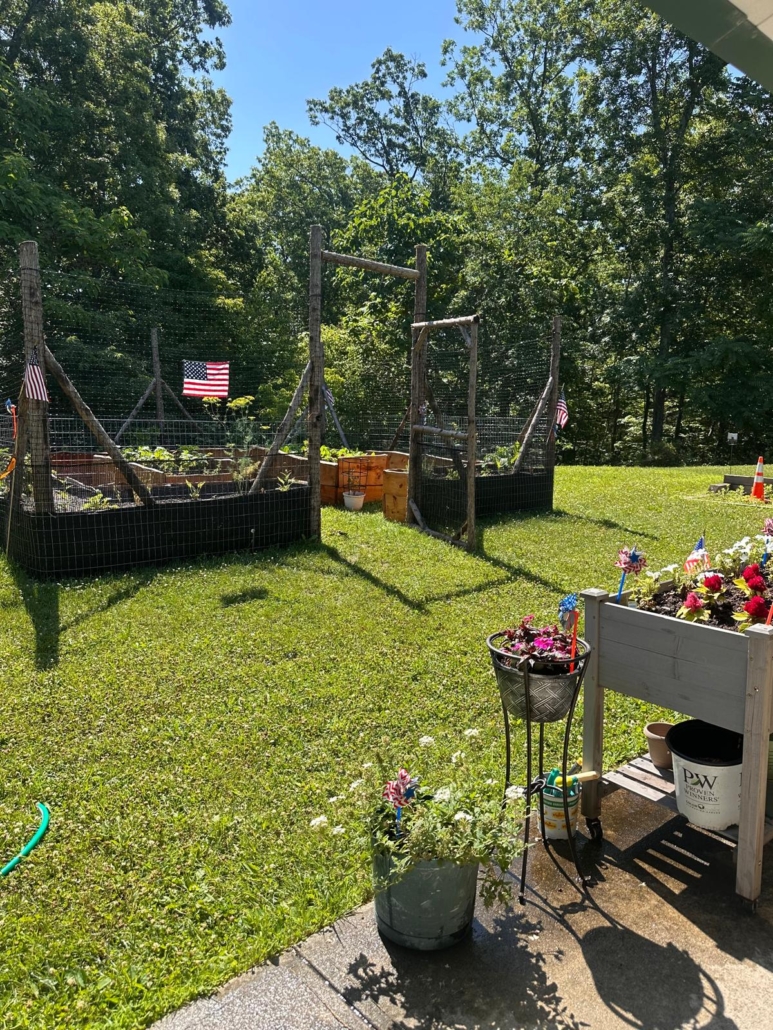
The Friendship Garden is more than a place to grow vegetables. It is a testament to what can happen when a resident brings forward a great idea, Town staff work collaboratively to make it happen, and everyone focuses on serving the community. It is exactly the kind of partnership that makes Putnam Valley stronger.
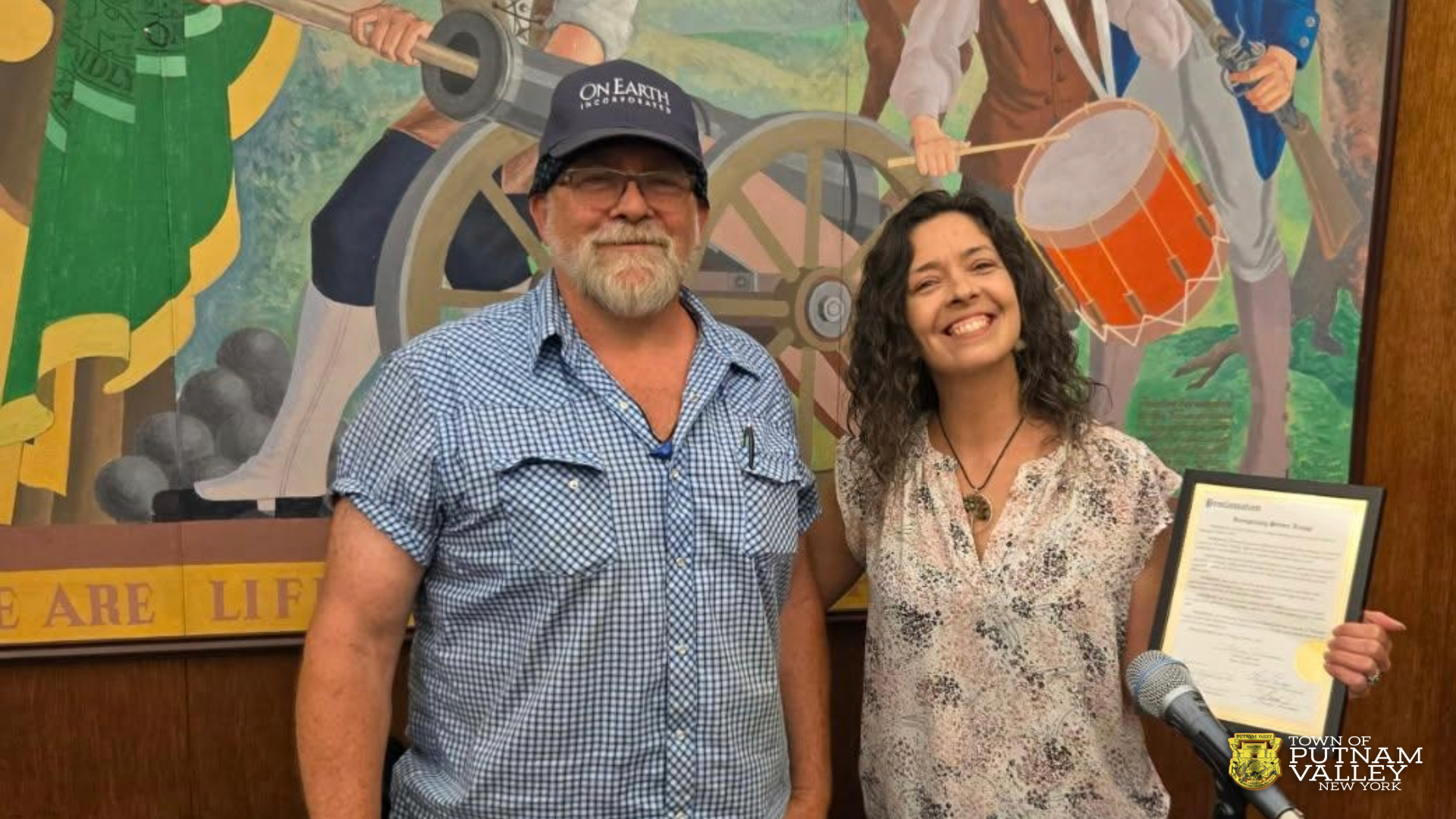
At our most recent Town Board meeting, we were proud to present Steven with a Town Proclamation recognizing his extraordinary generosity, craftsmanship, and commitment to our community. His work will be enjoyed by our seniors for years to come, and we are grateful for his vision and dedication.
We’re looking for residents with a variety of backgrounds, experiences, and perspectives who are passionate about the future of our community. Whether you have expertise in planning, engineering, environmental conservation, business, architecture, agriculture, recreation, or simply a strong commitment to Putnam Valley, I encourage you to apply. We also hope to include at least one representative from the Climate Smart Task Force, the Commission for the Conservation of the Environment, and the Neighborhood Business Committee to help ensure these important perspectives are part of the conversation.
If you’re interested in serving on the Steering Committee, please submit your resume and a brief letter of interest to: ajolicoeur@putnamvalley.gov with the subject line: Comp Plan Steering Committee.
This will be a transparent, community-driven process. All Steering Committee meetings will be open to the public, and residents will have numerous opportunities to participate, ask questions, and share ideas throughout the planning process. Public input will play a critical role in developing a Comprehensive Plan that reflects our shared vision for preserving Putnam Valley’s rural character while thoughtfully planning for the future.
I hope you’ll consider getting involved and helping shape the next chapter of Putnam Valley.
Riverkeeper representatives Dan Shapley and Jem Pickard presented preliminary findings from an ongoing watershed study funded through the Hudson River Estuary Program at the last Commission of Lakes meeting. They emphasized that the presentation was intended to gather feedback before completing their final report.
A key message throughout the presentation was that all of Putnam Valley’s lakes are interconnected. Water from lakes including Lake Peekskill, Lake Oscawana, Roaring Brook Lake, nearby Mohegan Lake, and others eventually flows into Peekskill Hollow Brook, which serves as the primary drinking water source for approximately 25,000 residents in Peekskill and Buchanan and provides backup water for several neighboring municipalities. Protecting local lakes therefore benefits not only recreation but also regional drinking water.
Major Findings
The presentation focused heavily on phosphorus, identified as the primary nutrient driving harmful algal blooms.
Riverkeeper explained that:
The presenters also discussed impacts on drinking water. Although Peekskill’s water currently meets all Safe Drinking Water Act standards, Riverkeeper noted increasing trends in disinfection byproducts that form when chlorine reacts with organic material from algae. They stressed this is an emerging concern—not a current public health violation—but one worth addressing proactively.
Where the Phosphorus Comes From
The analysis concluded that phosphorus originates from several sources:
Their watershed modeling estimated that approximately one-quarter of the phosphorus load comes from wastewater, primarily septic systems, while developed land contributes an even larger share.
Septic System Analysis
Riverkeeper devoted significant attention to septic systems.
Using GIS mapping, they identified:
The highest concentrations generally correspond with lakes already experiencing water-quality problems. Their analysis also found that lakes with higher septic density generally exhibit:
While they emphasized that correlation does not prove every problem is caused by septic systems alone, the data suggest septic density is an important contributing factor.
Community Listening Sessions
Riverkeeper also summarized what they heard from lake associations, municipal officials, and residents during interviews.
Positive themes included:
They described the Commission as an important opportunity for regional cooperation.
Challenges Identified
Residents consistently raised several obstacles:
Riverkeeper emphasized that no single solution will solve the problem and that each community faces different constraints.
Potential Solutions Discussed
Rather than recommending one approach, Riverkeeper presented examples used elsewhere, including:
They also highlighted newer treatment technologies, such as phosphorus-removing septic systems (e.g., FujiClean), while acknowledging that these systems are expensive and may not be practical on every property.
Overall Takeaway
The overall tone of the presentation was collaborative rather than prescriptive. Riverkeeper repeatedly emphasized that the project is still underway and that they are seeking local input before issuing recommendations. Their central message was that protecting Putnam Valley’s lakes requires a watershed-wide approach involving municipalities, lake associations, homeowners, and state agencies. Improving water quality will likely require a combination of better stormwater management, improved septic maintenance and replacement, continued scientific monitoring, public education, and stronger regional cooperation.
Watch the VideoHere!
This summer has been filled with opportunities to come together, celebrate, and enjoy all that makes Putnam Valley such a special place to call home.
Our Picnic in the Park with Karaoke was a wonderful afternoon of music, laughter, and community spirit. A big thank you to DJ Mark for keeping the music going and to everyone who came out to sing, dance, and share in the fun. Whether taking the microphone or cheering from the crowd, residents helped make the afternoon a memorable one.
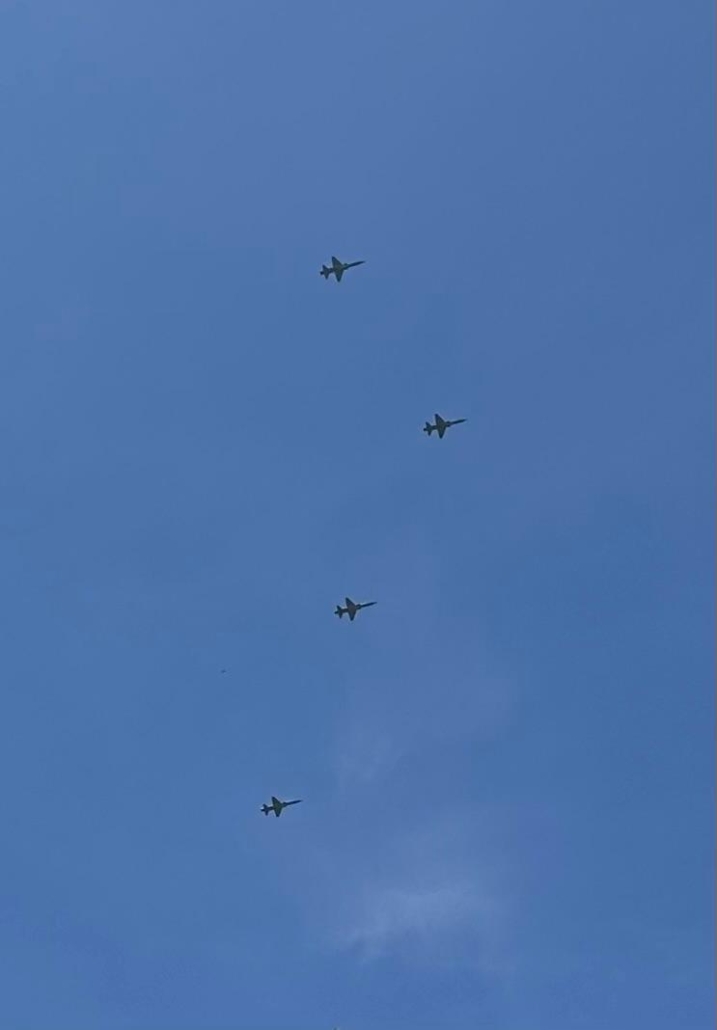
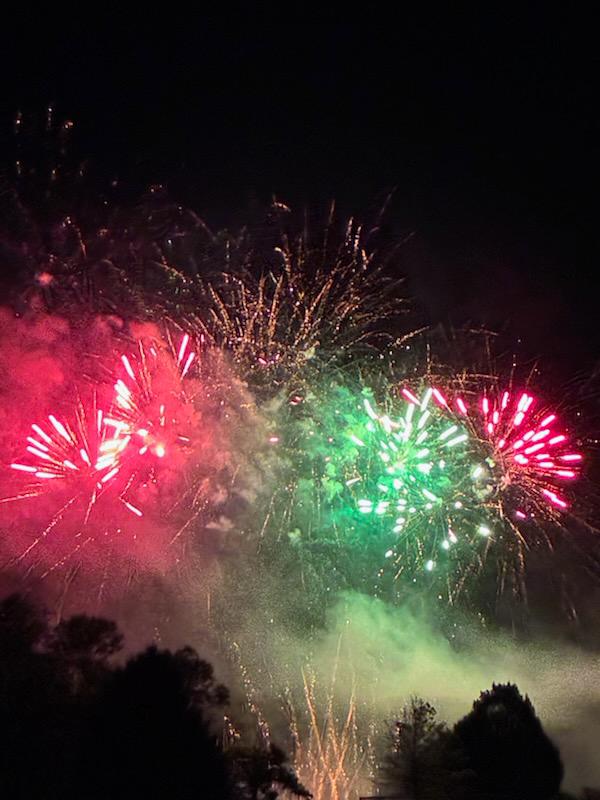
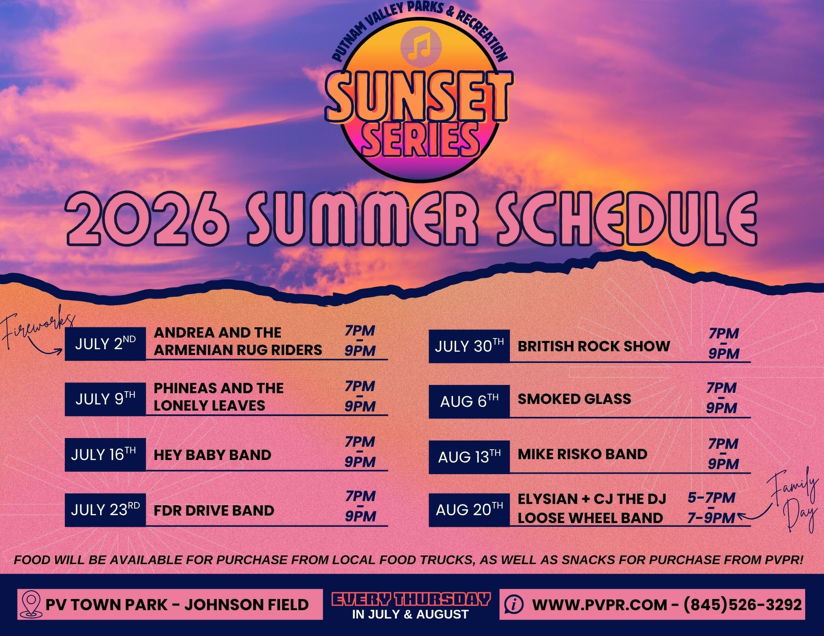
We then celebrated Independence Day with the kickoff of our Sunset Series, featuring the fabulous sounds of Andrea and the Armenian Rugriders. While the excessive heat required us to adjust the format of the event, the community came out in great numbers to enjoy the music, connect with neighbors, and end the evening with a spectacular fireworks display.
A special thank you goes to our Parks and Recreation Department for all of their hard work, flexibility, and dedication in making these events such a success. These gatherings remind us that the heart of Putnam Valley is its people, and there is nothing better than spending time together as a community.
Patriotic Traditions on Our Lakes
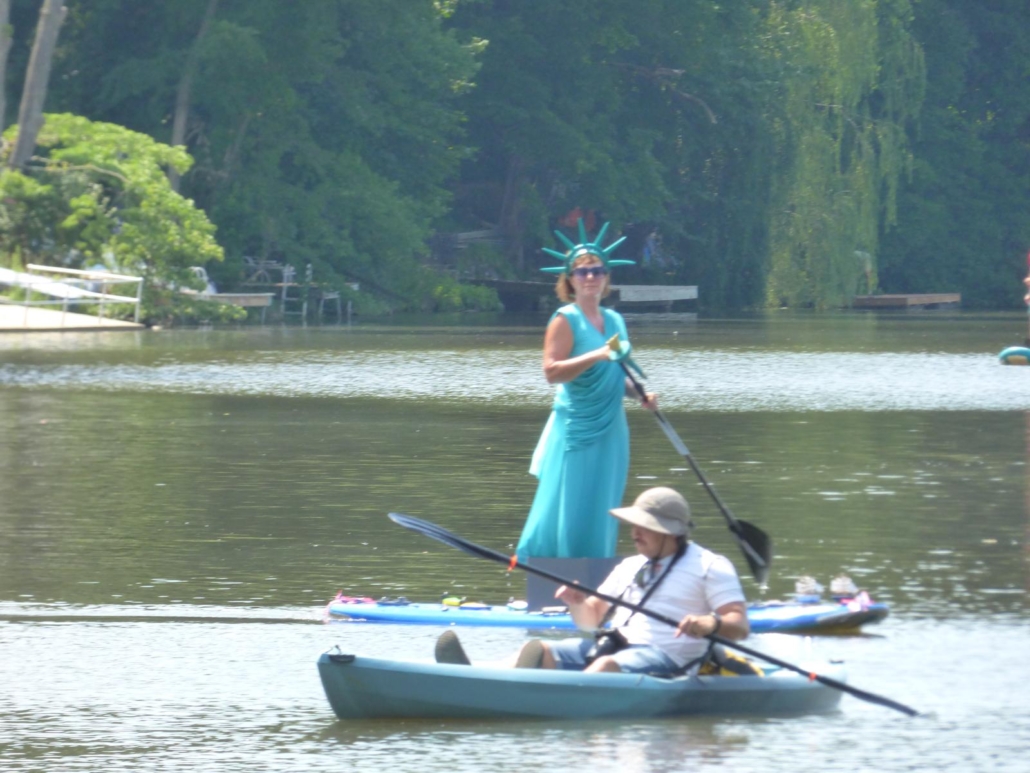
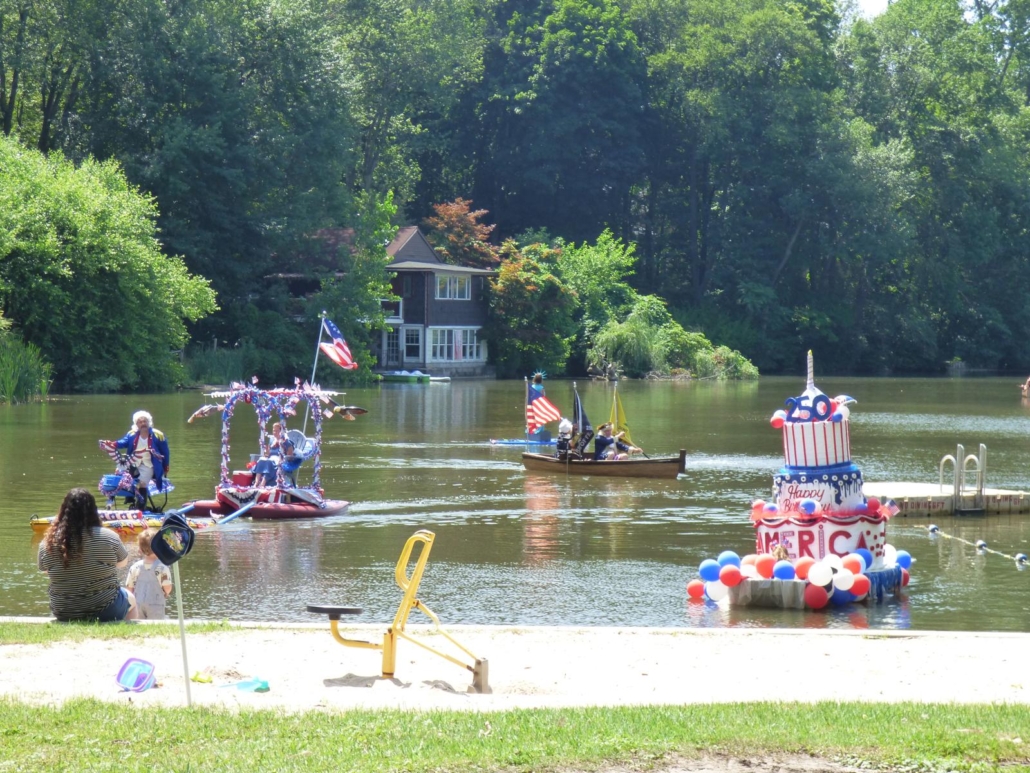
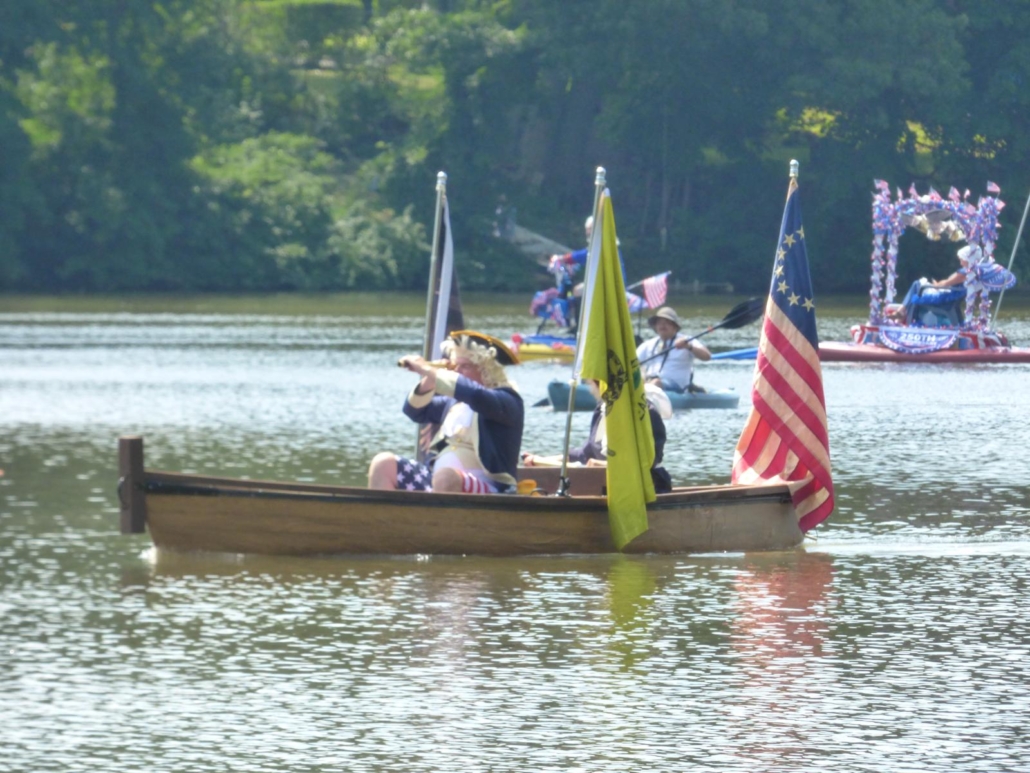
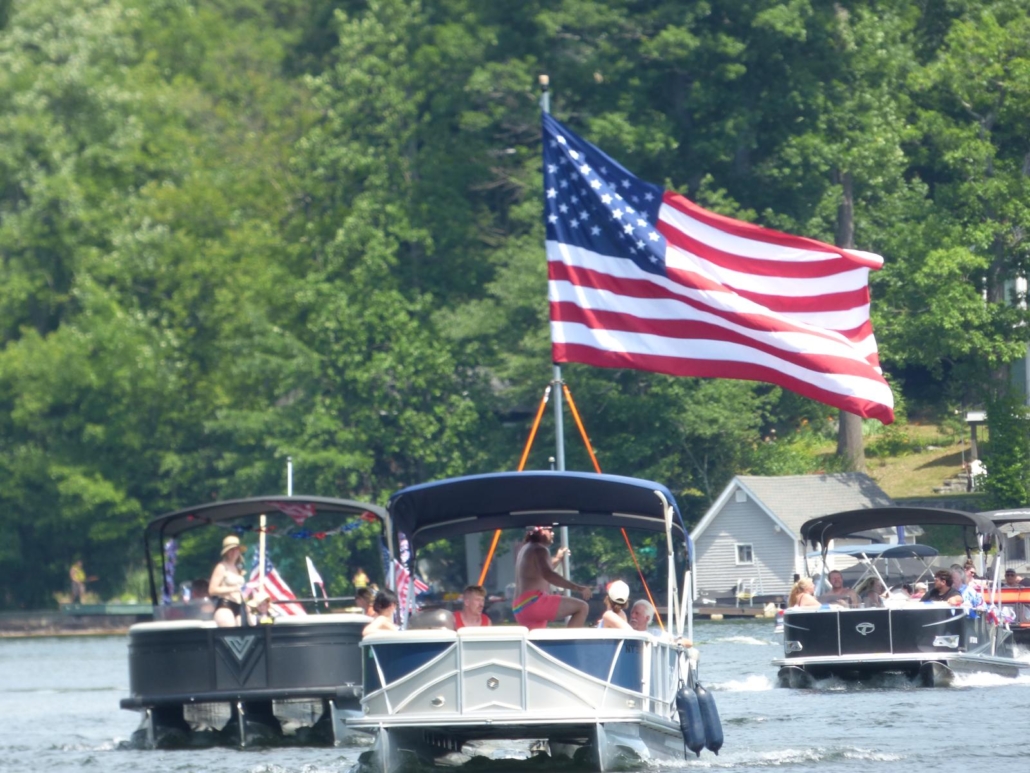
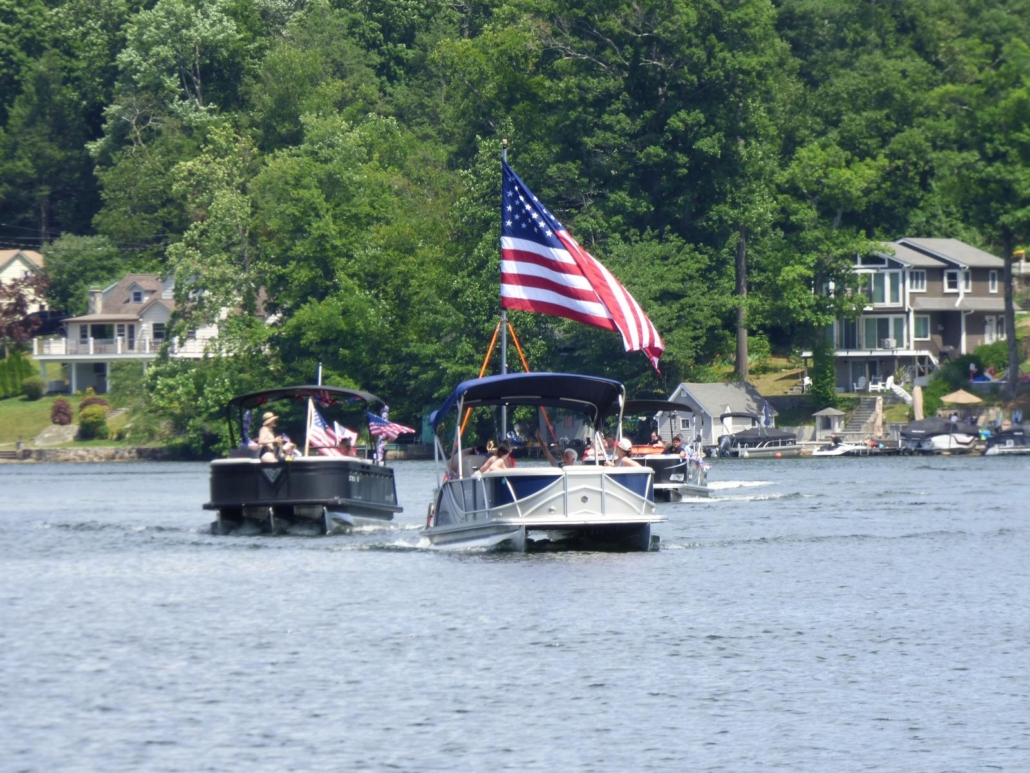
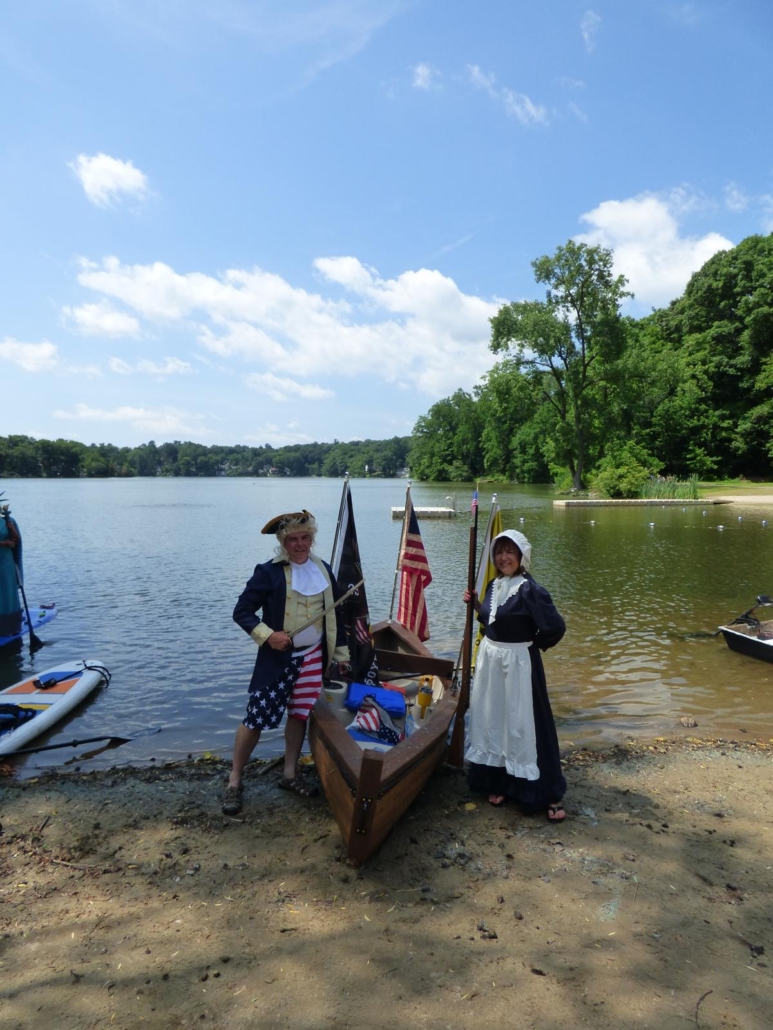
Our Independence Day celebrations extended to two of Putnam Valley’s beautiful lakes, where residents continued a cherished tradition of celebrating from the water.
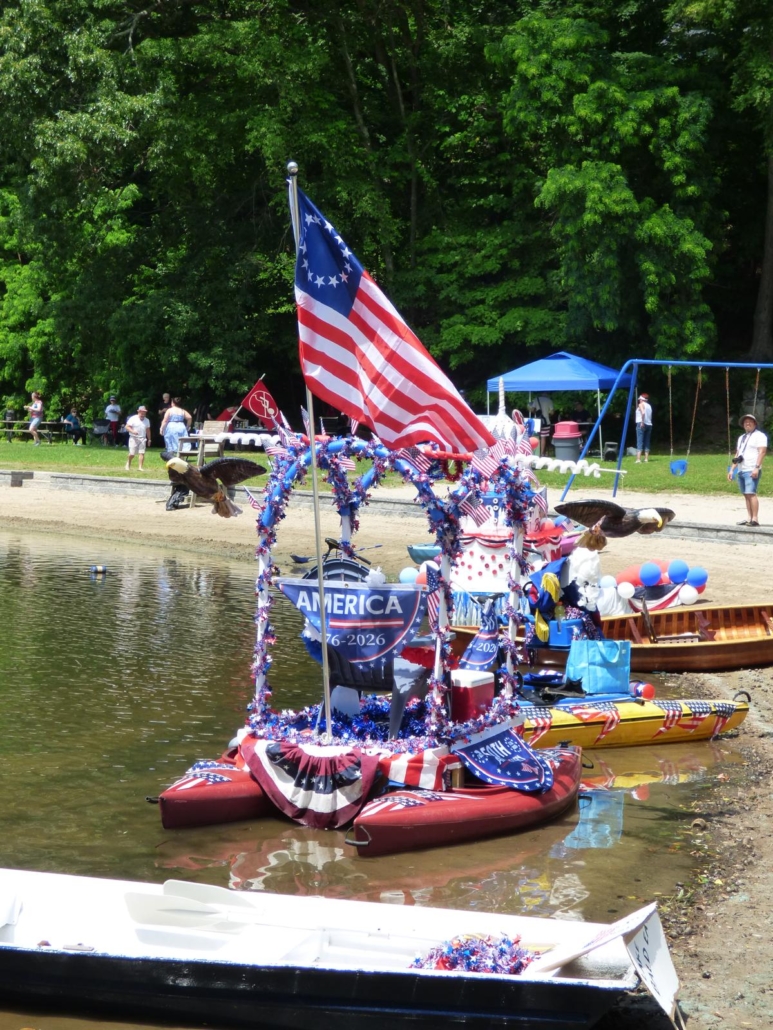
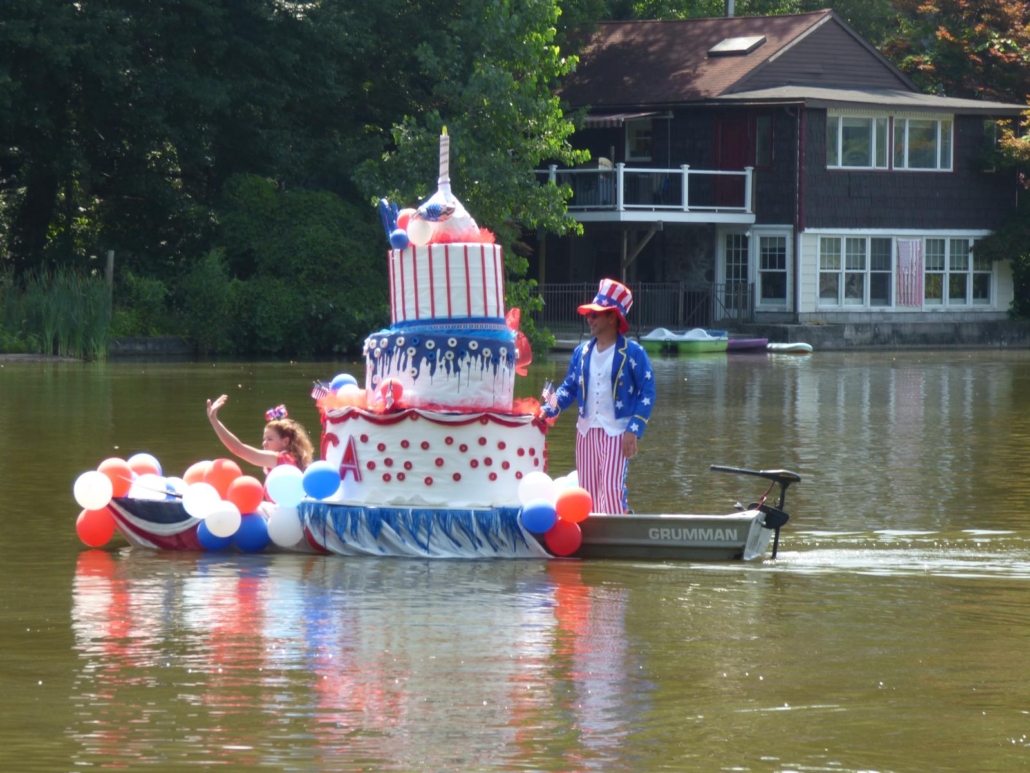
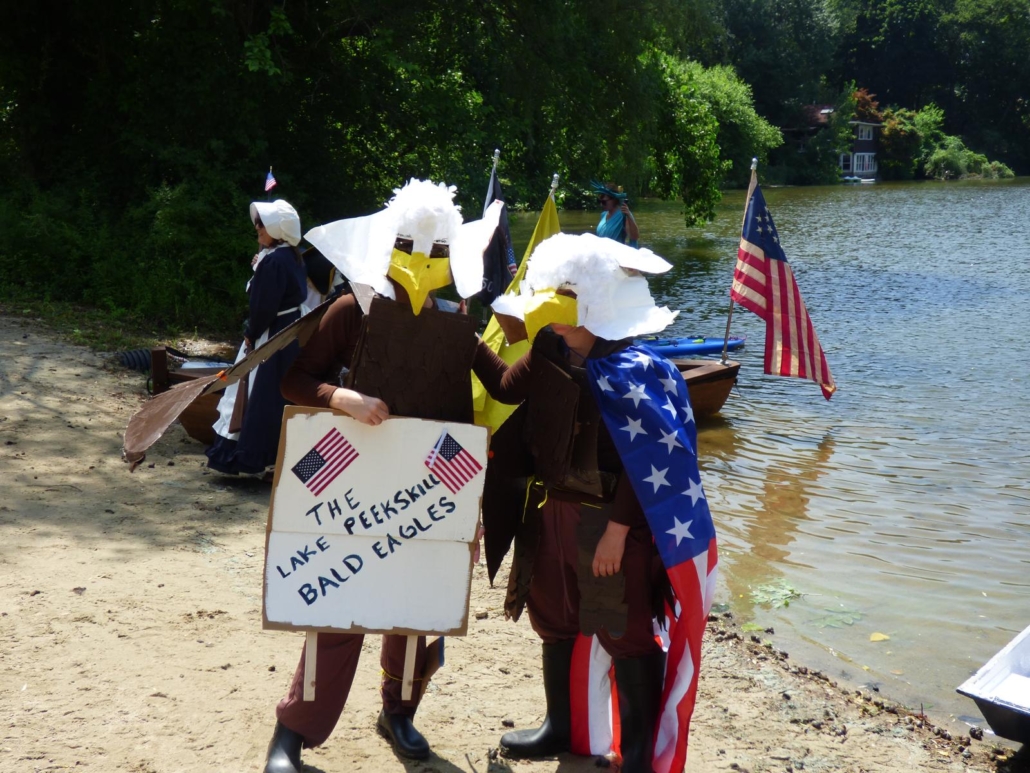
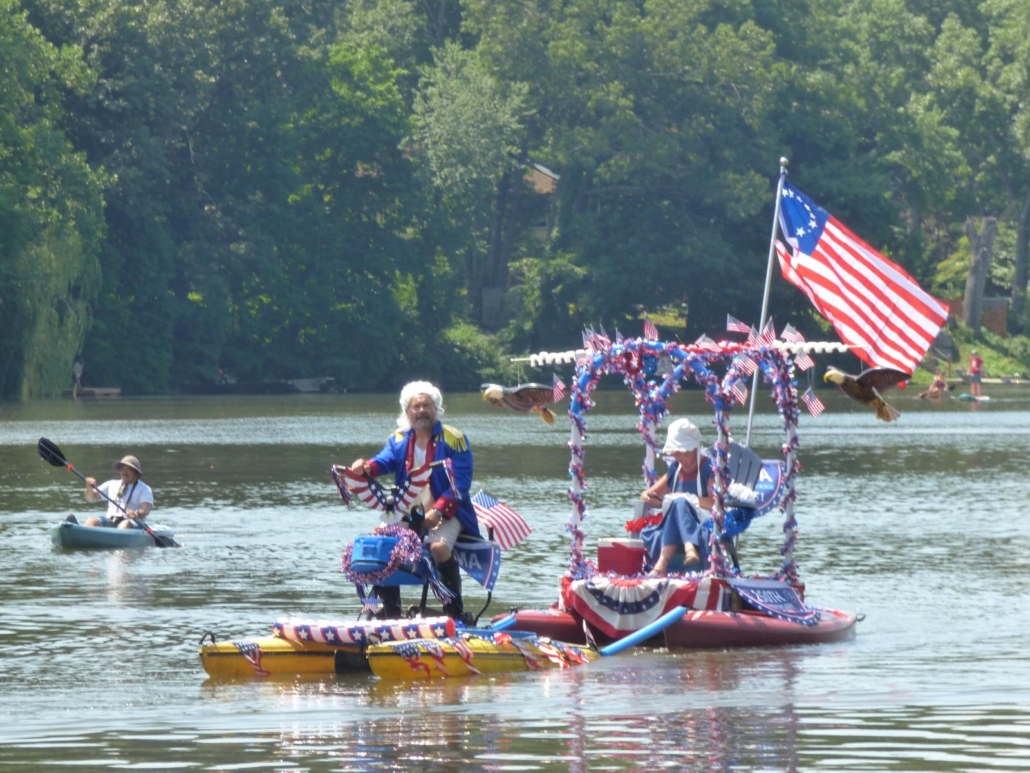
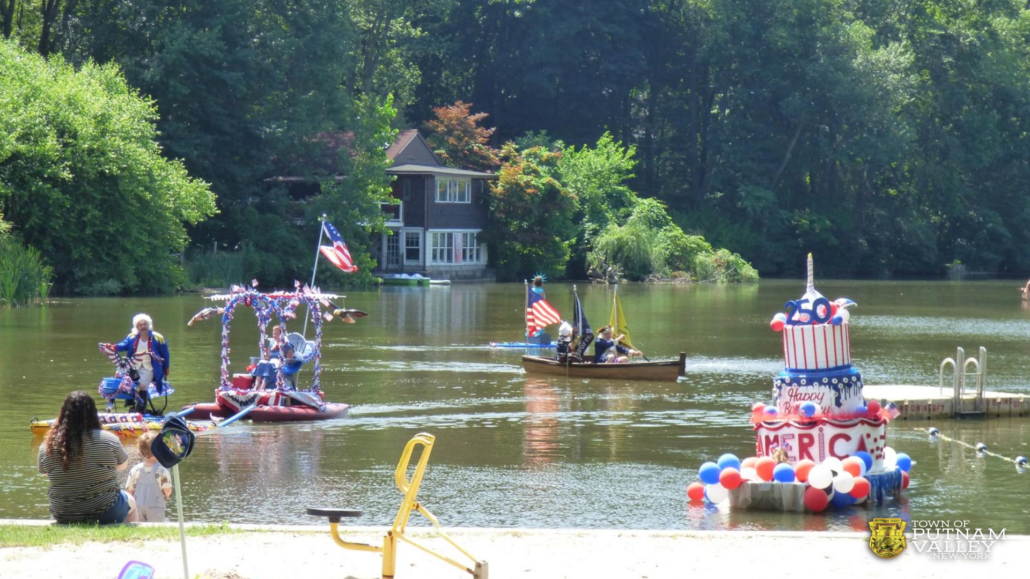
At Lake Peekskill, families and friends launched a colorful flotilla featuring some incredibly creative and festive decorated boats. From patriotic themes to imaginative designs, participants brought plenty of personality and hometown pride to the parade, delighting everyone watching from the shoreline.
Over at Lake Oscawana, residents gathered for their own patriotic flotilla, creating a beautiful display of red, white, and blue as boats cruised across the lake in celebration of our nation’s independence. The event showcased the strong sense of community that makes our lake neighborhoods so special.
Thank you to everyone who organized, participated in, and supported these wonderful traditions. Events like these bring neighbors together, celebrate our shared love of Putnam Valley, and create lasting memories for families of all ages.
Our goal is simple: pursue every responsible opportunity to secure outside funding, reduce the burden on taxpayers, and continue moving Putnam Valley forward in a thoughtful and fiscally sound way.
Thank you again for the opportunity to serve as your Town Supervisor. It is a privilege, and I look forward to the work ahead.
With gratitude,
Alison Jolicoeur
Town Supervisor, Putnam Valley

 ZERO EMISSIONS VEHICLE CHARGING STATION PROJECT